
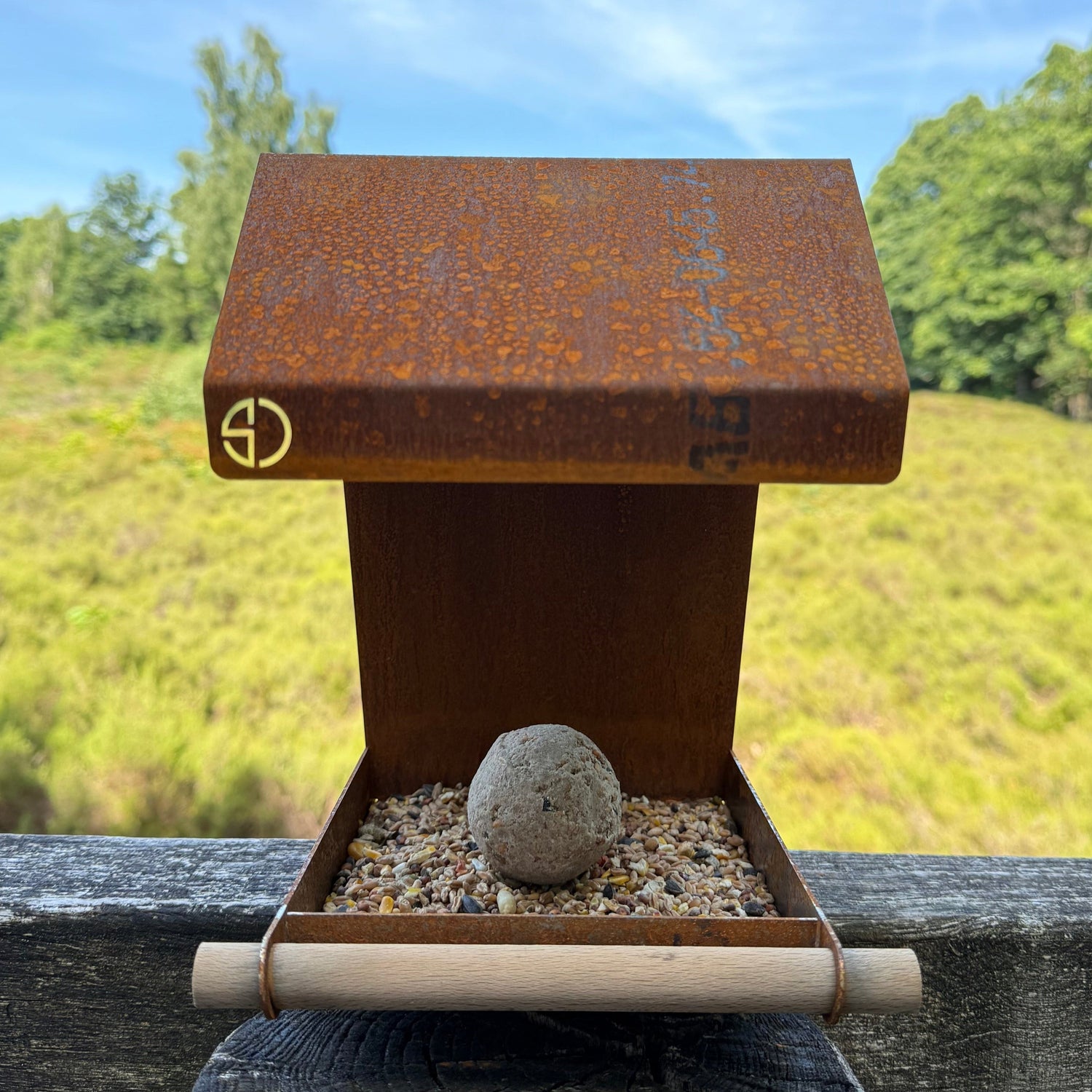
The right bird food in a bird feeder attracts diverse garden birds and provides colorful encounters in your garden all year round. What birds prefer changes throughout the seasons, and with a varied offering, you can welcome every type of visitor. In this article, you will learn which types of bird food are suitable for a bird feeder and how the seasons guide your choices.
Which types of bird food fit in a bird feeder?
A bird feeder offers the ideal place to combine different feeds. By varying the composition, you increase the chance of multiple bird species stopping by. Below you will find the most common options and how to use them:
- Seeds and grains: a seed mix or mixed grains forms the basis for many garden birds, such as tits and finches. Choose a feed composition without salt and with a mix of fine and coarse seeds for better intake.
- Fat balls and fat blocks: rich in calories and energy, ideal for colder periods. Use fat balls with vegetable oils and avoid additives that are unfavorable for birds.
- Peanuts and nuts: provide a small portion of unsalted peanuts or nuts so that sturdy finches and tits get extra energy. Be aware of potential allergies and break larger pieces into smaller bits.
- Natural food and additional treats: mealworms, larvae, or insect pulp can be a welcome change, especially for tits and redwings. Use these feeds sparingly and in a separate compartment.
Special feeds for specific bird species
Some bird species have a preference for specific feeds. Think of seeds with kernels that are attractive to common chaffinches, or nuts that suit great tits well. A combination of different feeds increases the attractiveness of your bird feeder.
Seasonal planning: seasons and feeding approach
The needs of birds vary by season. By responding to this, you create a reliable food source for garden birds and give them the fuel they need, from spring to winter.
Spring
In the spring, food supplies often become less intensive. Focus on fresh, seed-rich mixes and some nuts to support young birds during rapid growth. Fresh bread-free food is welcome, but leave out feeds with salt or inappropriate spices.
Summer
Summer calls for feeds that are easily digestible and do not spoil quickly in hot weather. Seed mixes with a light oil or fat component can support energy needs during long days and warm nights. Provide shade and clean, fresh water sources near the bird feeder.
Autumn
During autumn, nature prepares for colder days. A varied seed mix supplemented with some fat balls works well to replenish stocks before winter sets in. Break nuts into smaller pieces for better consumption.
Winter
In winter, increased energy needs are crucial. High-fat foods such as fat balls, suet, and peanuts provide the necessary caloric boost. Keep the feed dry and remove the risk of mold by refilling more often and removing old feed. A well-designed bird feeder provides shelter against cold and wind.
Tips for placement and maintenance
The way you place the bird feeder partly determines how many birds visit. Consider the following guidelines:
- Hang the food in a spot with sufficient shelter and away from predators.
- Use multiple feeds in different compartments so that different species can eat at the same time.
- Clean the feeder regularly and replace it with fresh food to prevent mold or spoilage.
- Choose a feeder with a level surface and shielded drains to limit leakage and mess.
Product range and inspiration
In our collection, you will find a balanced selection of bird food that perfectly matches the design of a bird feeder. Think of seed mixes, fat balls, and peanut mixtures that are safe and nutritious. By focusing on quality, you can enjoy colorful visitors in the garden for years to come. Discover our assortment and find the feed that suits your bird-friendly garden.
Conclusion
A bird feeder offers a versatile way to welcome garden birds and let them enjoy a varied menu. By playing with different types of bird food and seasons, you create a reliable source of energy and nutrition throughout the year. With attention to quality and variety, you get the most enjoyment out of your bird feeder.


Leave a comment
All comments are moderated before being published.
This site is protected by hCaptcha and the hCaptcha Privacy Policy and Terms of Service apply.